Wind Waves & Wands Journal
From Christmas Day to the 10th Century: A Journey Through Belgium’s Timeless Charm

01 — Home Base Brussels: Our Central Hub
Brussels dates back to 979 AD — over a thousand years of history packed into one city. As a base for the week, it was absolutely perfect. Everything was accessible: the train station for day trips, the Christmas markets, the side streets worth getting lost in. It’s not a city that demands to be your favourite, but it earns its place as the beating heart of a Belgian itinerary.
We stayed at Yooma Urban Lodge Brussels, and it was genuinely one of the most fun hotel experiences I’ve had. Belgium is the birthplace of the comic strip, and Yooma leans all the way into it — every room is decorated around a different comic book character. Quirky, colourful, and surprisingly cozy. The location was ideal too — so much was easily walkable right from the front door.
“Every room at Yooma Urban Lodge is a different comic — because in Belgium, comics are an art form.”
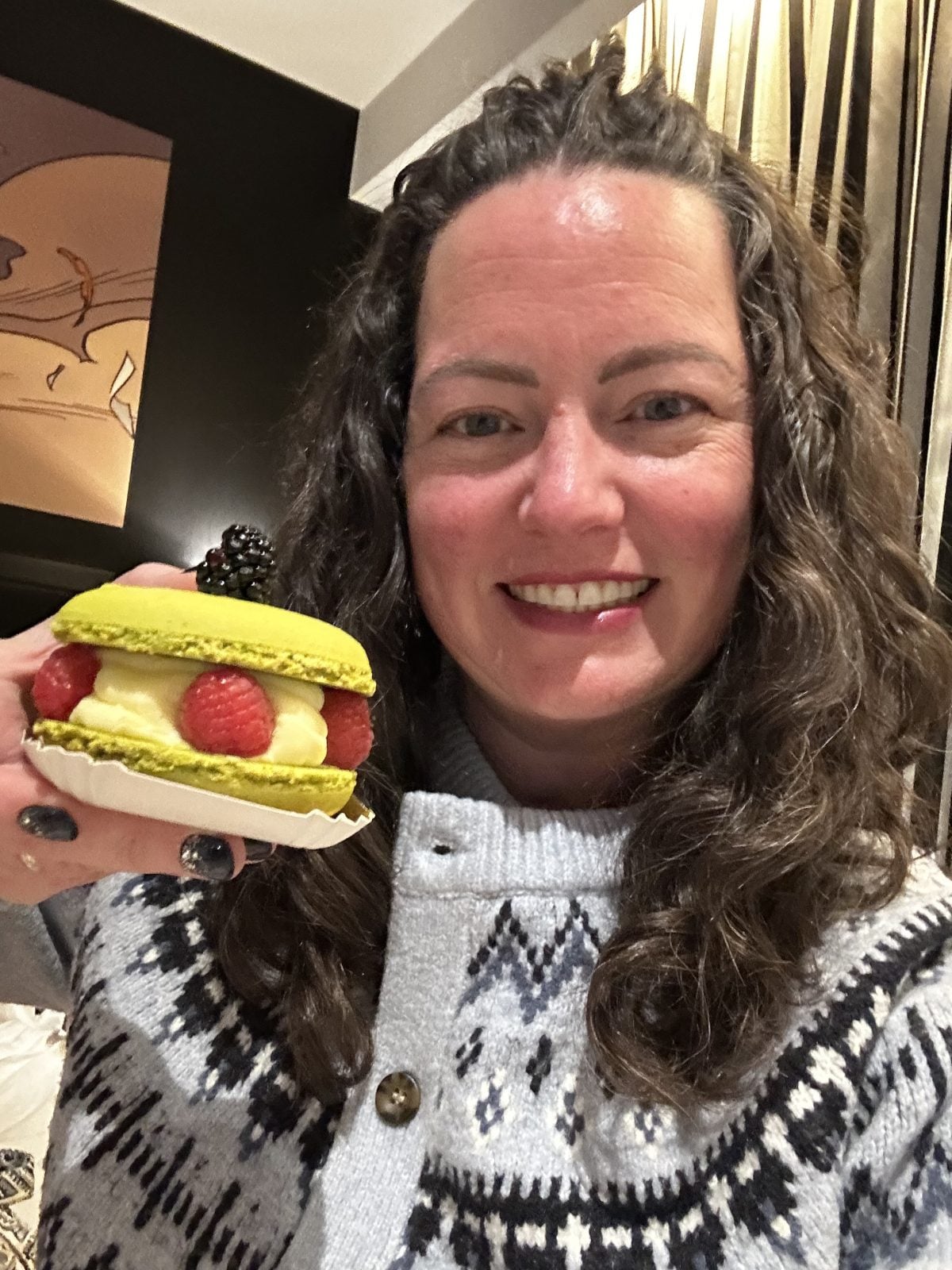
And the bakeries. I can’t move on without mentioning the bakeries. Every neighbourhood seemed to have one, and every one we tried was absolutely to die for — fresh pastries, crusty breads, cases full of things you’ve never seen before but immediately need to eat. Budget extra time in the mornings. You’ll thank yourself.
Beyond the hotel, Brussels itself is endlessly walkable. We spent hours just wandering the side streets, stumbling onto squares we never would have found on a map. The Grand-Place at Christmas is something else entirely — all twinkling lights and mulled wine and centuries of history stacked right in front of you.
And of course — you can’t visit Brussels without paying your respects to the Manneken Pis. The tiny, iconic bronze statue of a little boy doing exactly what his name suggests. He’s smaller than you expect, cheekier than you expect, and absolutely worth finding. Brussels is very proud of him, and honestly, rightly so.
02 — Day Trips Bruges & Ghent: Medieval Cities, No Filter Needed
One of the best things about staying in Brussels is how easy the train connections are. We hopped the train to Bruges and Ghent on separate days — both under an hour — and both absolutely worth it.
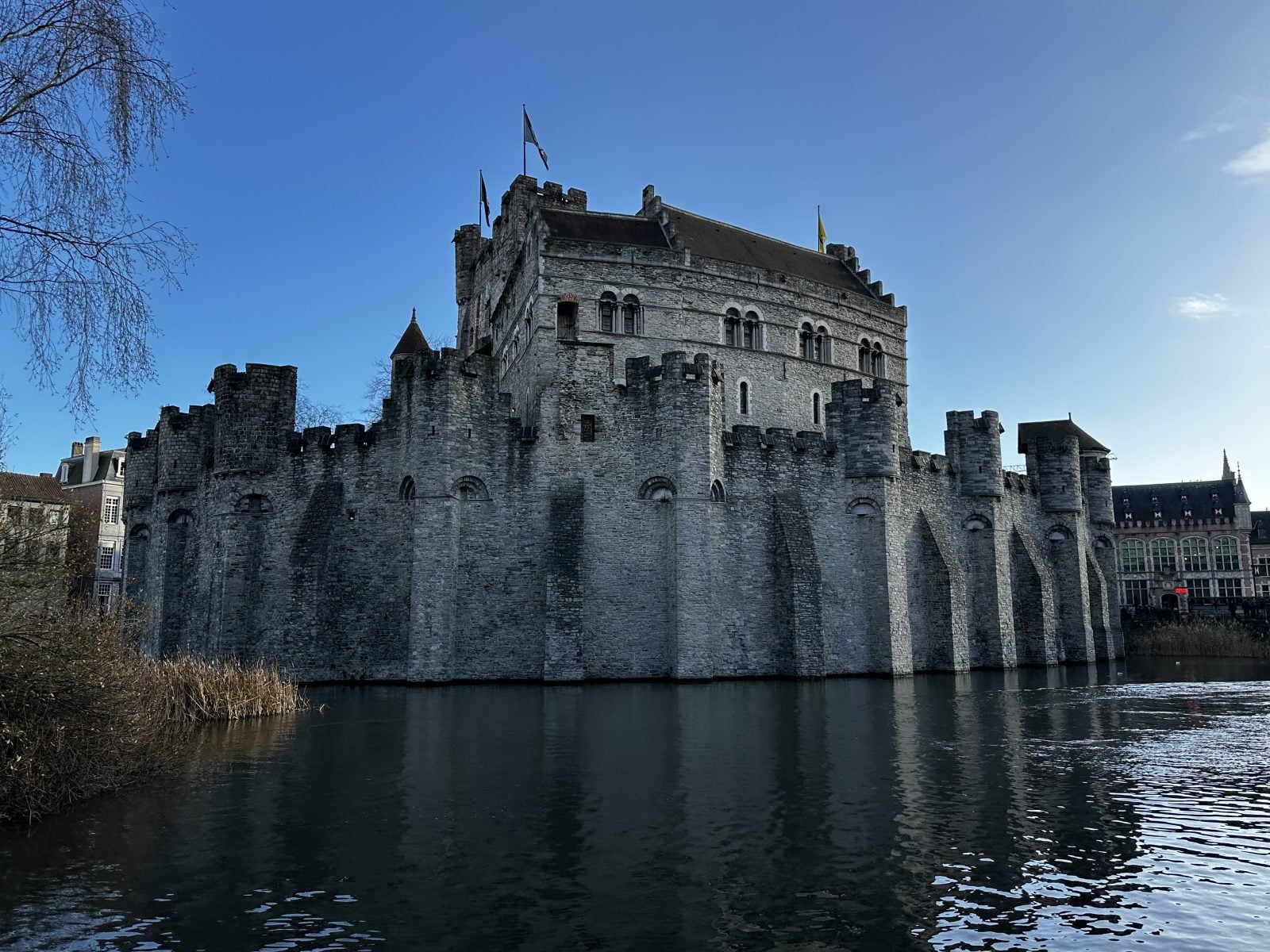
Bruges looks like it was designed specifically to make you question whether you’ve slipped into a different century. Narrow bridges over frozen canals, horse-drawn carriages, chocolate shops on every corner. And right in the heart of the city sits Gravensteen — a fully intact medieval castle, moat and all, sitting casually among the cafés and townhouses. Remarkable.
Ghent is slightly grittier, slightly younger in energy — more students, more street art — but equally stunning. The Graslei and Korenlei waterfront at dusk is one of the most beautiful stretches of city I’ve ever walked. Both cities had Christmas markets running, which meant warm glühwein in hand at every turn.
Travel Tip: Train travel between Belgian cities is fast, affordable, and stress-free. No rental car needed — buy your tickets at the station or through the SNCB app. Bruges and Ghent are both easy day trips from Brussels, even in winter.
03 — Bridges & Canals Gorgeous Waterways Around Every Corner
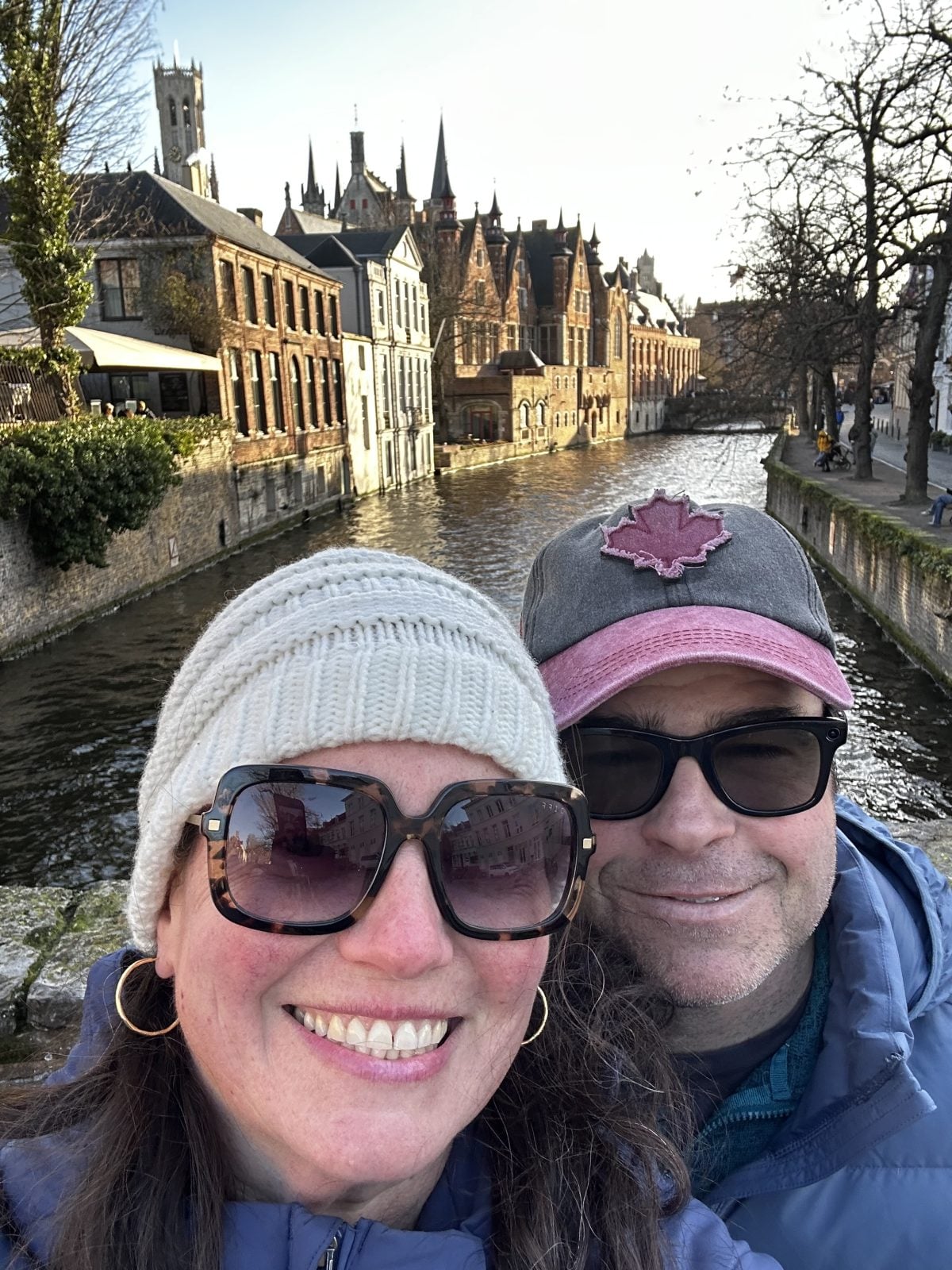
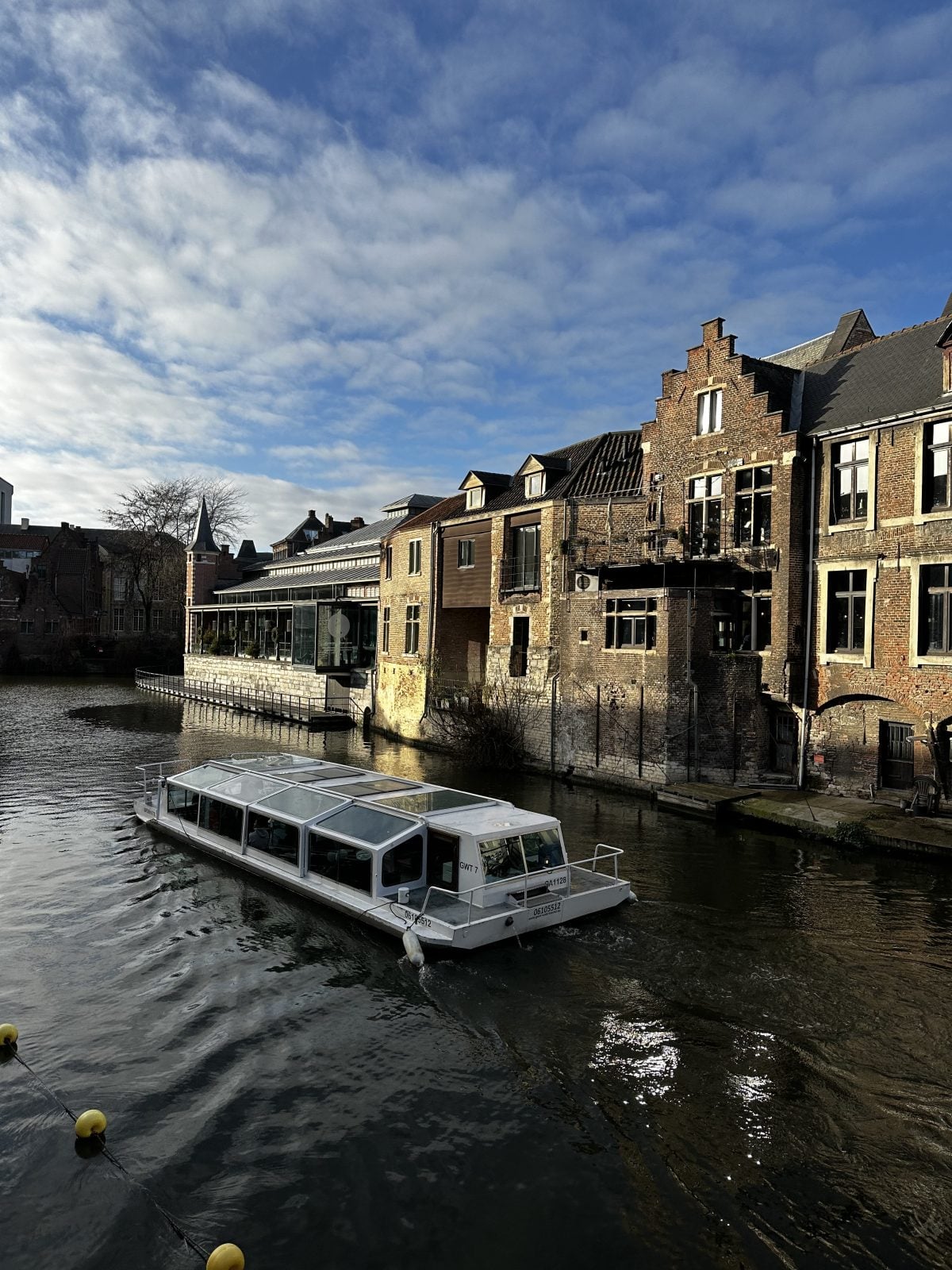
Belgium’s bridges and canals are something else entirely. Whether you’re in Bruges — often called the Venice of the North — or wandering the waterways of Ghent, the scenery stops you in your tracks. Stone bridges arching over glassy canals, centuries-old buildings reflected in the water below, boats drifting quietly underneath.
It’s the kind of scenery that doesn’t feel real until you’re standing right in front of it. And then you can’t stop photographing it.
Photo Tip: Have your camera ready at all times. Around every corner is another canal view, another bridge, another reflection that belongs on a postcard. You will not regret the extra storage space on your phone.
04 — Get Lost The Best Things Are Off the Map
Here is one of the best pieces of travel advice I can give you for Belgium: put the map away and just walk. The side streets, the laneways, the alleys that don’t appear on any tourist guide — that’s where Belgium really lives.
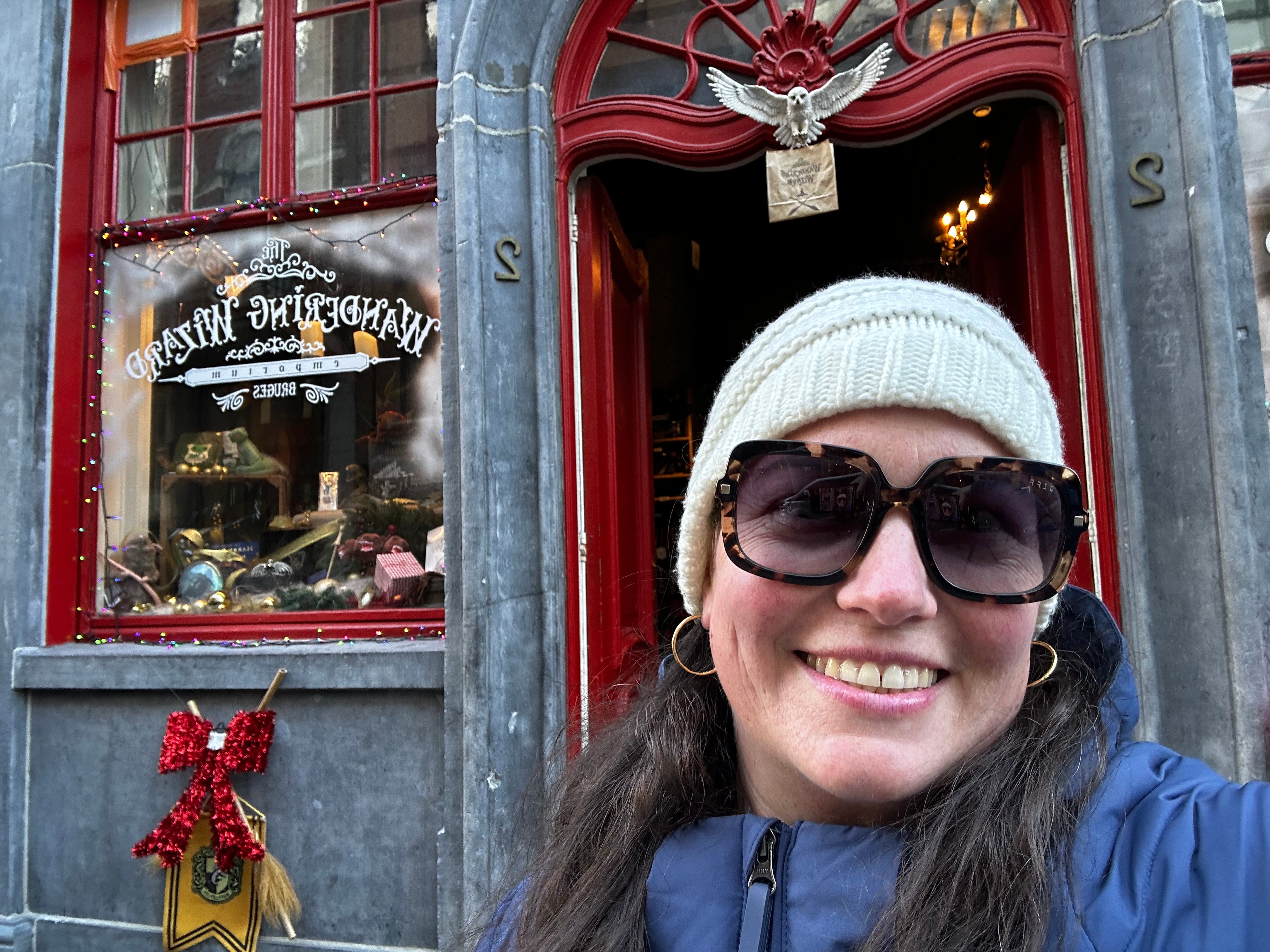
We stumbled onto hidden pubs that had very little signage, tiny restaurants with handwritten menus and very few tables, boutique shops selling things you’ve never seen anywhere else. A chocolatier tucked down a hidden alleyway. A café that had been in the same family for generations. A courtyard you’d never find if you weren’t already lost.
The magic of Belgium isn’t just in the landmarks — it’s in the details. The worn doorstep, the window box, the hand-painted tile above an archway. None of it makes it onto the highlight reels, but all of it is what you’ll remember.
“Getting lost in Belgium isn’t a mistake. It’s the whole point.”
05 — Step Back in Time Cobblestones & Ancient Architecture
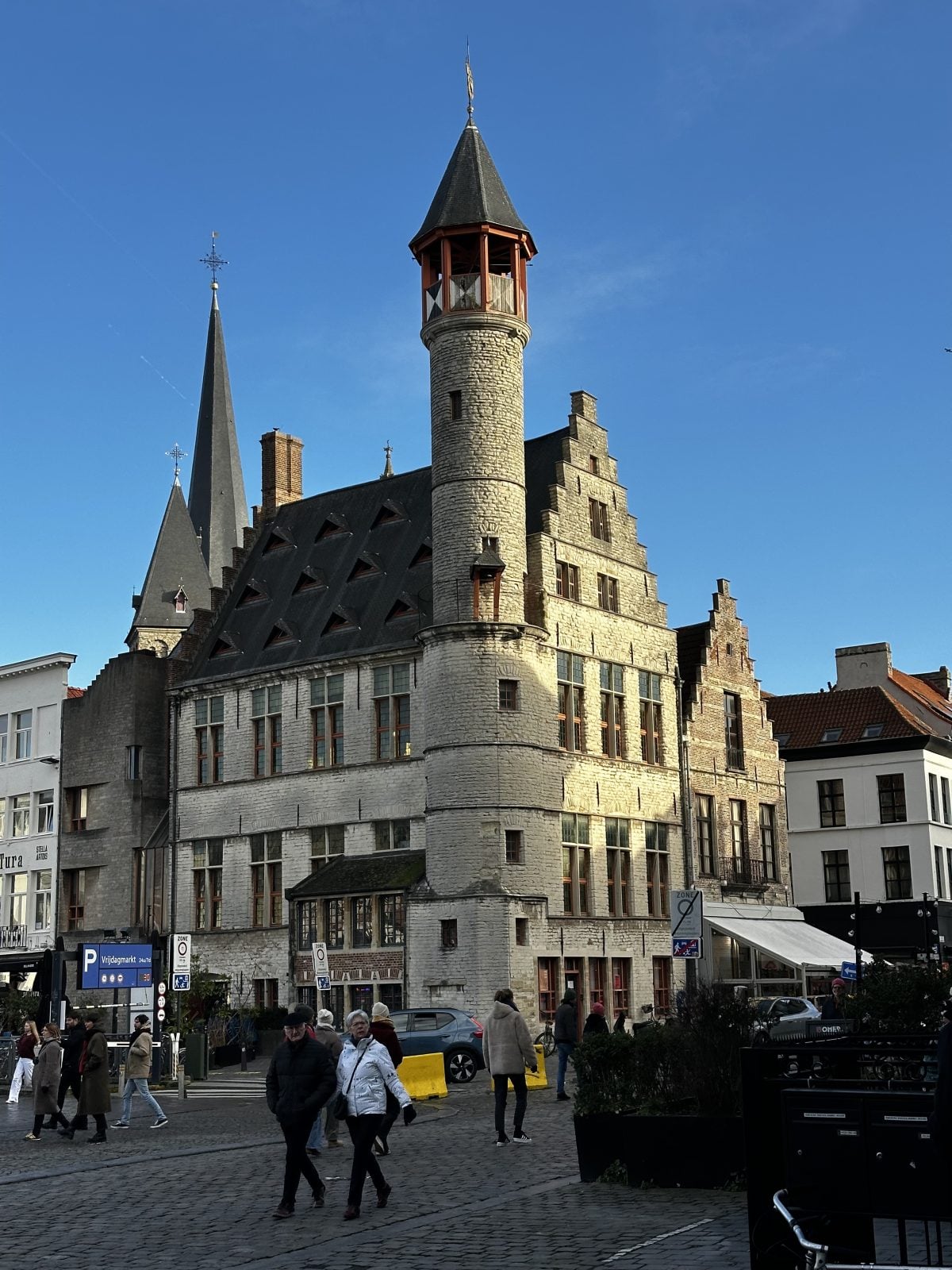
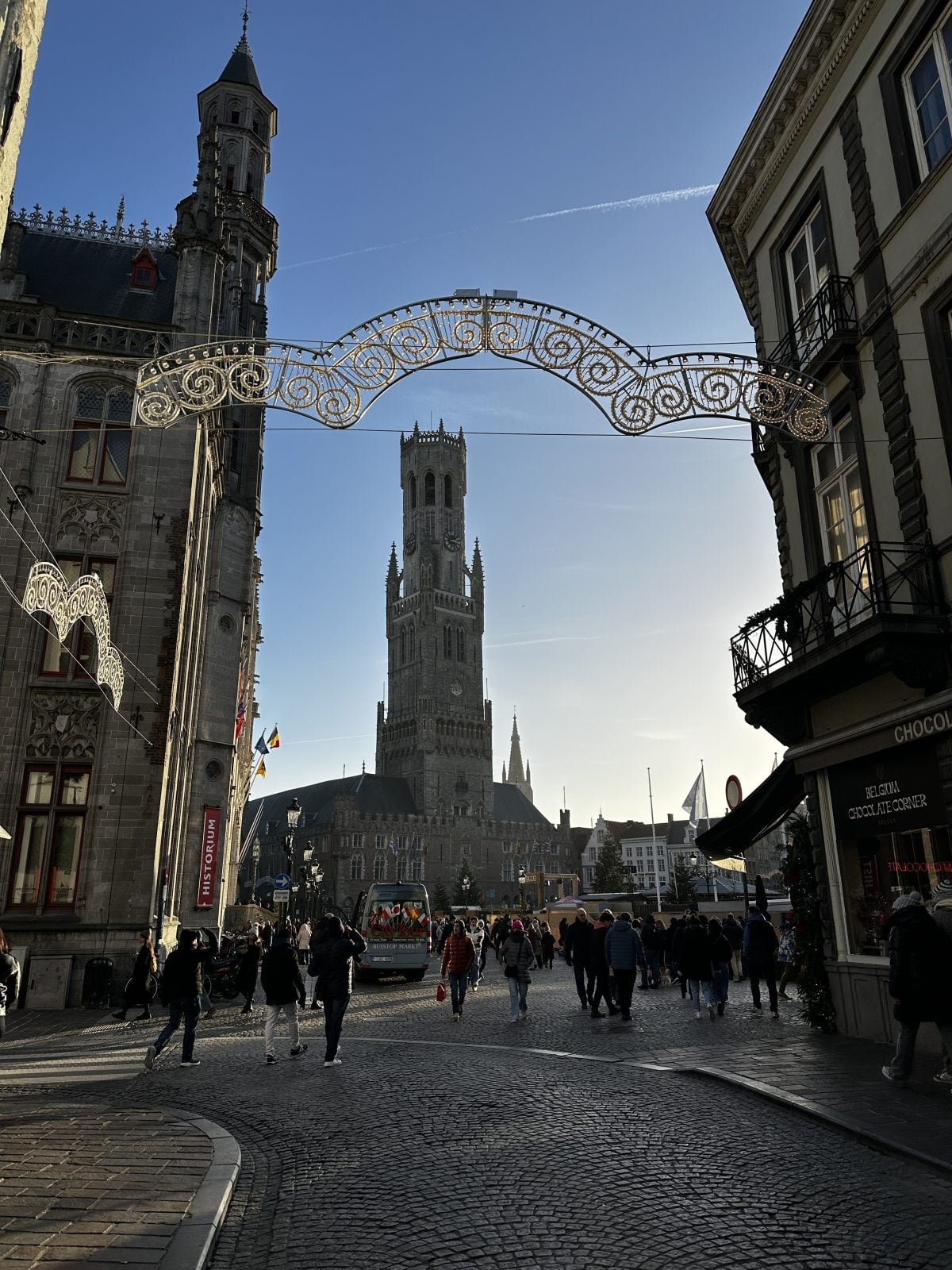
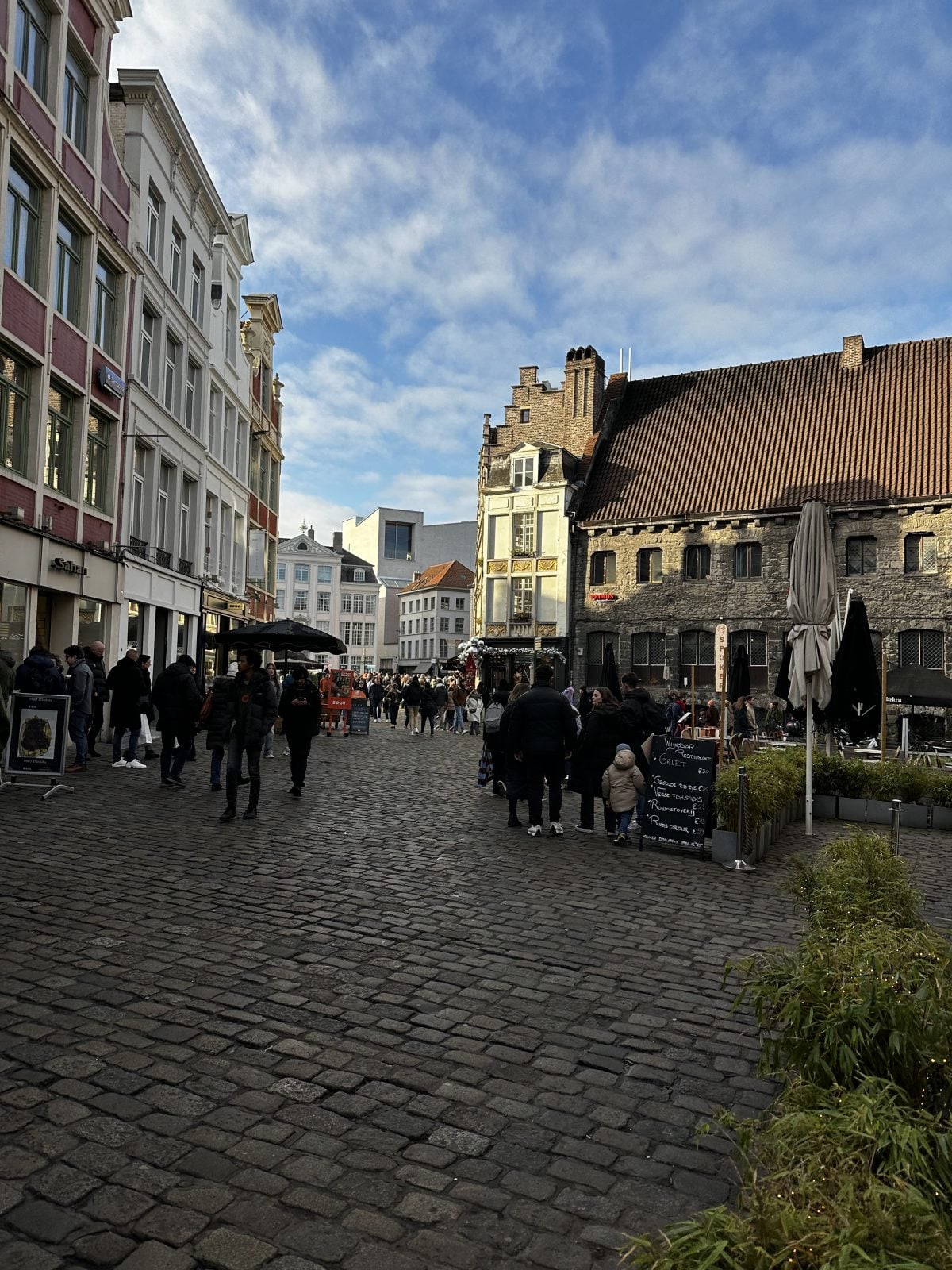
One of the things that hits you hardest in Belgium is how intact everything is. These aren’t reconstructed facades or tourist-facing replicas — the cobblestone streets, the guild houses, the belfries and bridges are genuinely centuries old. Walking them feels less like sightseeing and more like time travel.
Every turn reveals another archway, another medieval square, another building that’s been standing longer than most countries have existed. It’s the kind of place that makes you stop mid-sentence just to look up. Belgium doesn’t need a filter — it already looks like a painting.
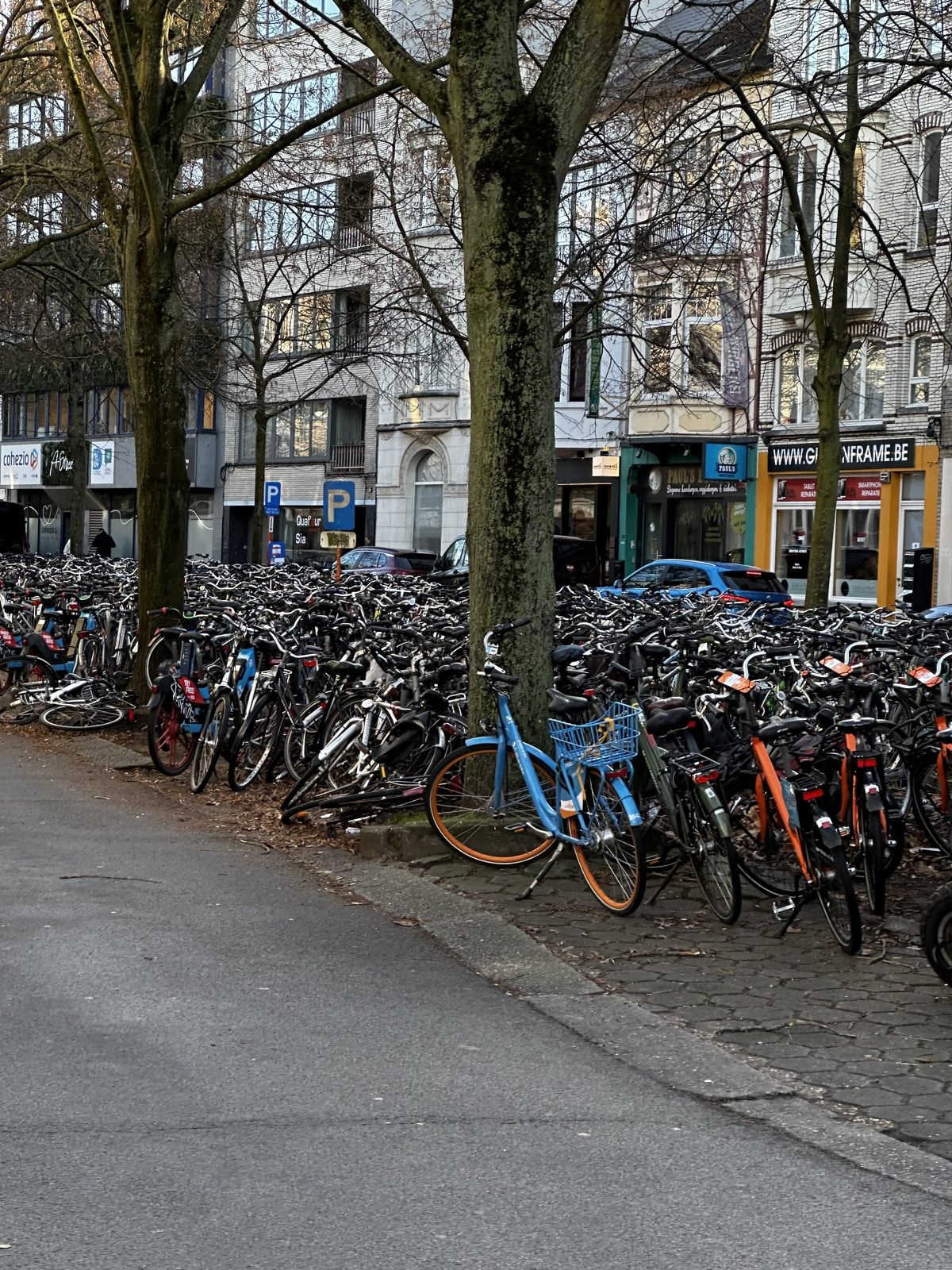
Bikes are absolutely everywhere. Locals cycle through the cobblestone streets like it’s the most natural thing in the world — because for them, it is. It adds to the charm rather than the chaos, and gives the whole city a wonderfully unhurried energy.
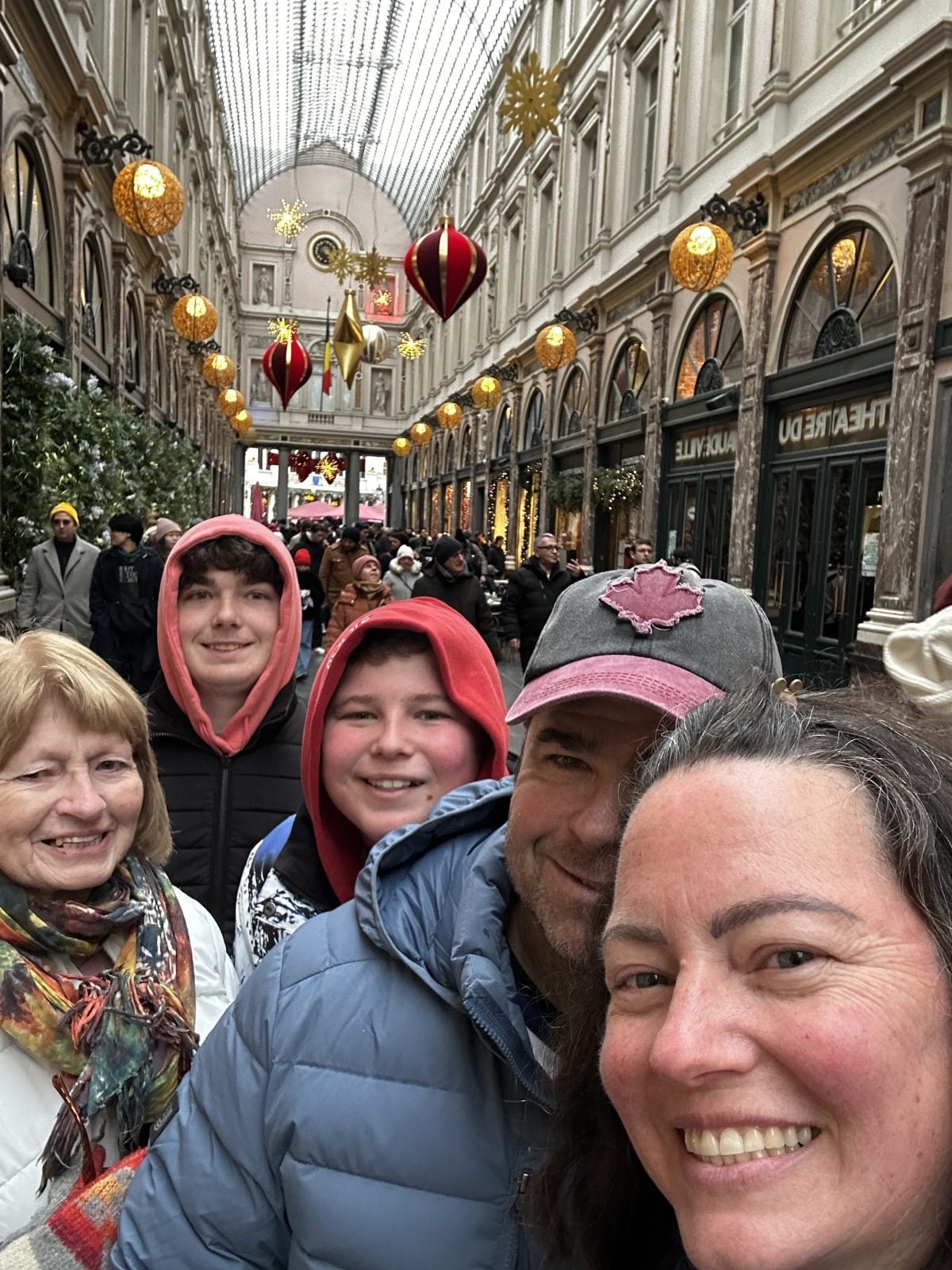
At Christmastime, the streets take on something extra special. Each street has its own unique Christmas light design — and while they’re all coordinated beautifully with one another across the city, every single street feels individual. Walking from one to the next becomes its own little adventure, looking up to see what the next block has done. It’s one of the most magical things I’ve ever seen in a city at Christmas.
“The cobblestones alone will take your breath away. You’re not walking through history — you’re walking on it.”
06 — The Chocolate Belgian Chocolate: Everything You’ve Heard Is True
Chocolate shops in Belgium are not a novelty — they are everywhere, and they are serious. From grand chocolatiers with window displays that belong in a museum, to tiny artisan shops tucked down cobblestone side streets, the chocolate is simply on another level.
We’re not talking about a chocolate bar from a gift shop. We’re talking about hand-crafted pralines, silky ganaches, truffles dusted in cocoa, and dark chocolate so rich it barely needs to be chewed. You walk into a shop intending to buy a small box and walk out having made several very good decisions.
Belgium produces some of the finest chocolate in the world, and when you’re actually there eating it fresh from the source — you taste exactly why. Budget room in your suitcase. You will be bringing some home.
Sweet Tip: Skip the mass-produced chocolate in souvenir shops near the main squares. Look for smaller independent chocolatiers a street or two off the tourist trail — the quality jumps noticeably and the prices are often better too.
07 — The Food Fries, Waffles & the Good Stuff
Let’s talk about food, because this is important. Belgian fries are not French fries. They’re thicker, fried twice, and served in a paper cone with your choice of sauce. We had them multiple times. No regrets.
Now, waffles. This is where I need to give you a real travel tip: get the authentic Belgian liege waffle, not the tourist ones. You’ll see stands in every market piled high with waffles smothered in Nutella and strawberries and whipped cream and sprinkles. Those exist to separate tourists from their euros. The real Liège waffle is denser, slightly sticky from pearl sugar, and eaten plain or with minimal toppings. Warm, simple, and absolutely perfect. That’s the one you want.
“The best waffle I had in Belgium had nothing on it. That’s the point.”
08 — The Pubs Beer Culture, Properly Done
Belgium takes its beer as seriously as France takes its wine. There are thousands of Belgian beers — Trappist ales, lambics, sours, strong golden ales — and the pub culture around them is equally rich.
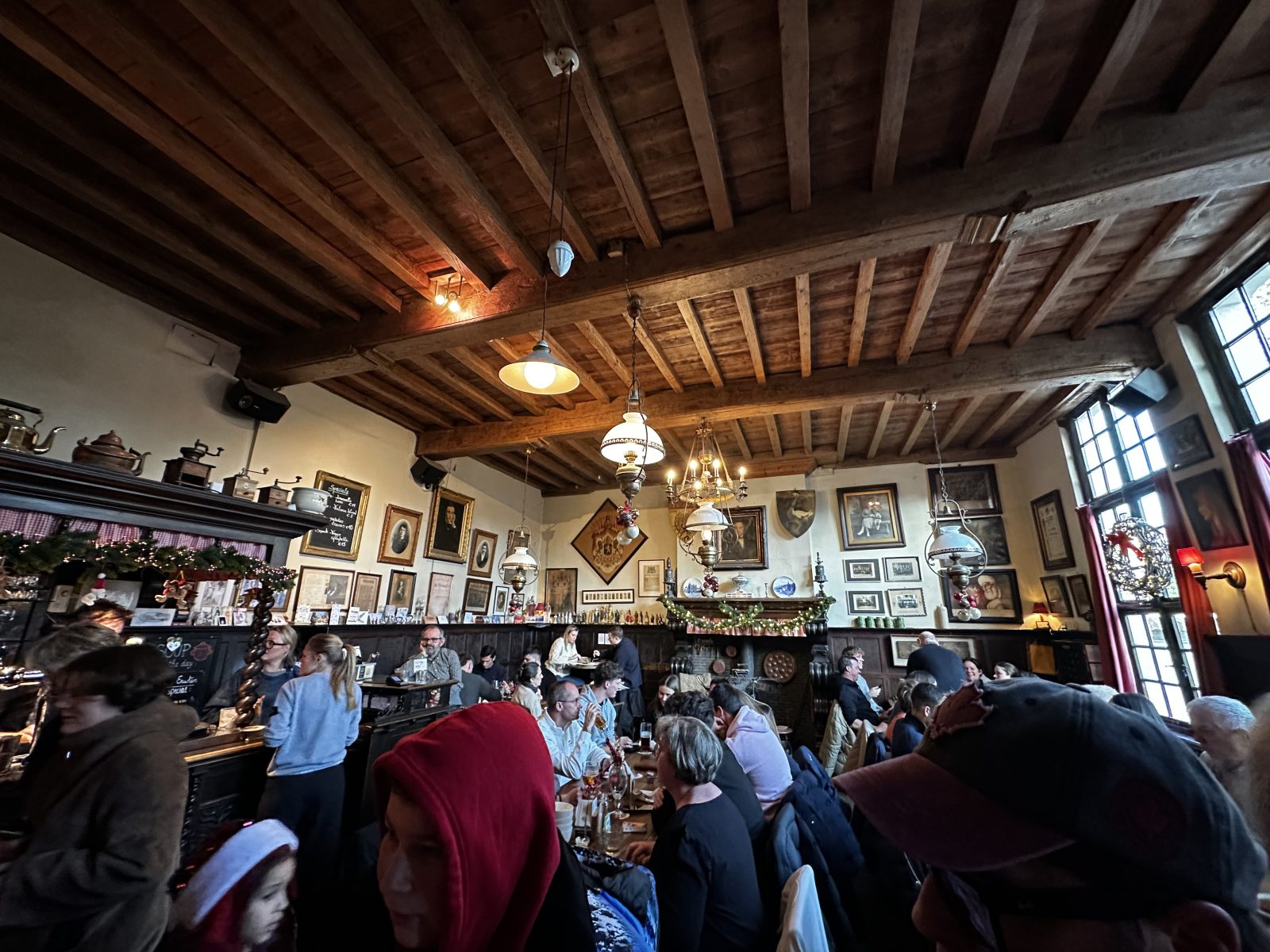
We visited Café Vlissinghe in Bruges — the oldest pub in Belgium, founded in 1515. Let that sink in. The same pub, on the same spot, serving beer for over 500 years. Worn wooden tables, a crackling atmosphere, and a warmth that feels earned rather than designed. You sit down, you order, and you feel the weight of history in the best possible way.
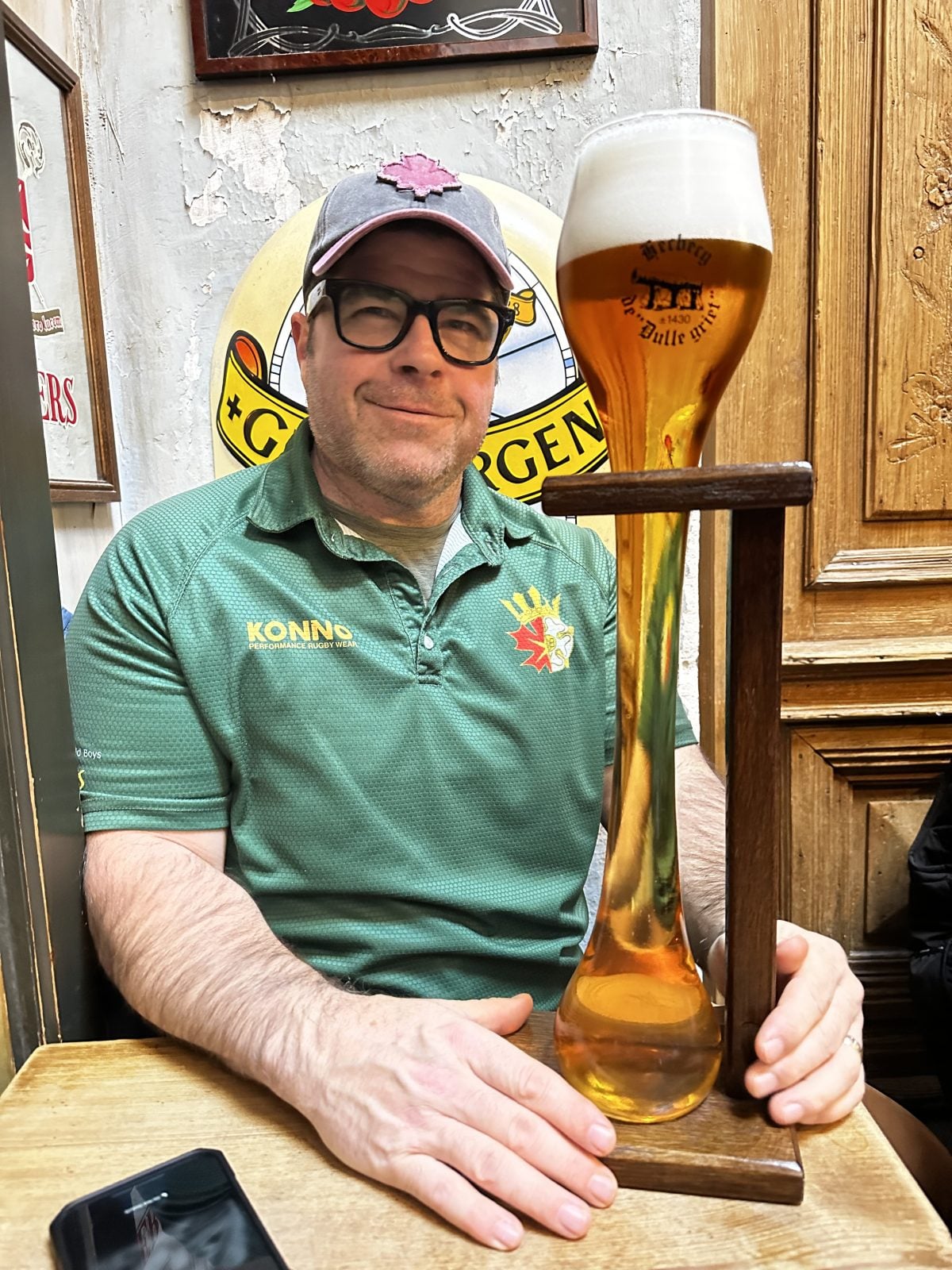
We also made a stop at Dulle Griet, a pub that serves its beer by the metre — literally, a single glass that stands a full metre tall. It’s exactly as fun as it sounds, and yes, you share it with the group. Here’s the catch: to make sure you don’t walk off with the glass, they take one of your shoes as collateral. You’re not getting it back until the glass is returned. It’s one of those experiences that’s half theatre, half tradition, and completely Belgian — and yes, hopping home on one shoe would have been a very expensive souvenir.
Pro Tip: In Belgian pubs, ask what’s local and what’s on draught. Each beer will often arrive in its own specific branded glass — Belgians are particular about this, and it’s part of the experience. Don’t rush it.